Roof Coating in San Jose, CA
San Jose Roof Repair applies reflective roof coating systems that stretch the life of an aging roof instead of tearing it off. Our crews prep the substrate, then roll on elastomeric, acrylic, or silicone coatings built to shrug off UV degradation from dry Bay Area summers. Call 6504145505 for a free estimate.
Call 6504145505
A roof coating is a fluid-applied membrane you roll or spray over an existing roof surface. On a San Jose building that means cleaning the substrate, priming bare spots, then laying down an elastomeric coating at the right coverage rate.
Acrylic coatings are the budget pick for dry inland roofs — they breathe and hold up to intense summer sun. Silicone coatings bring more tensile strength, which lets them bridge hairline cracks and shed ponding water after a winter storm. Polyurethane sits between them.
A primer matters either way. Coating over dust, flaking tar, or dried mastic is money down the drain, because the finish coat peels within a season and you are back where you started.
UV degradation is the real enemy. Dry summers bake the surface, the membrane dries out, and the seams open. Coating stops that cycle without a full tear-off, which matters on a 1950s ranch or a Spanish Colonial Revival where the original framing is worth saving.
Roofline shapes matter too. A hip, gable, or mansard roof sheds water differently than a flat field, and a canopy or awning over an entry needs its own look. We check the overhang and parapet coping while we are up there.
One more thing we check before coating: attic ventilation. A ridge vent, soffit vents, or a powered attic fan keep the underside of the deck dry. Trapped heat and a wet vapor barrier shorten any coating's life, so if your insulation is soaked we deal with that first.
Cost comes down to square footage, how much prep the roof needs, and which system you choose. If the decking is soft or the insulation is soaked, coating is the wrong call and we will tell you so.
What's Included
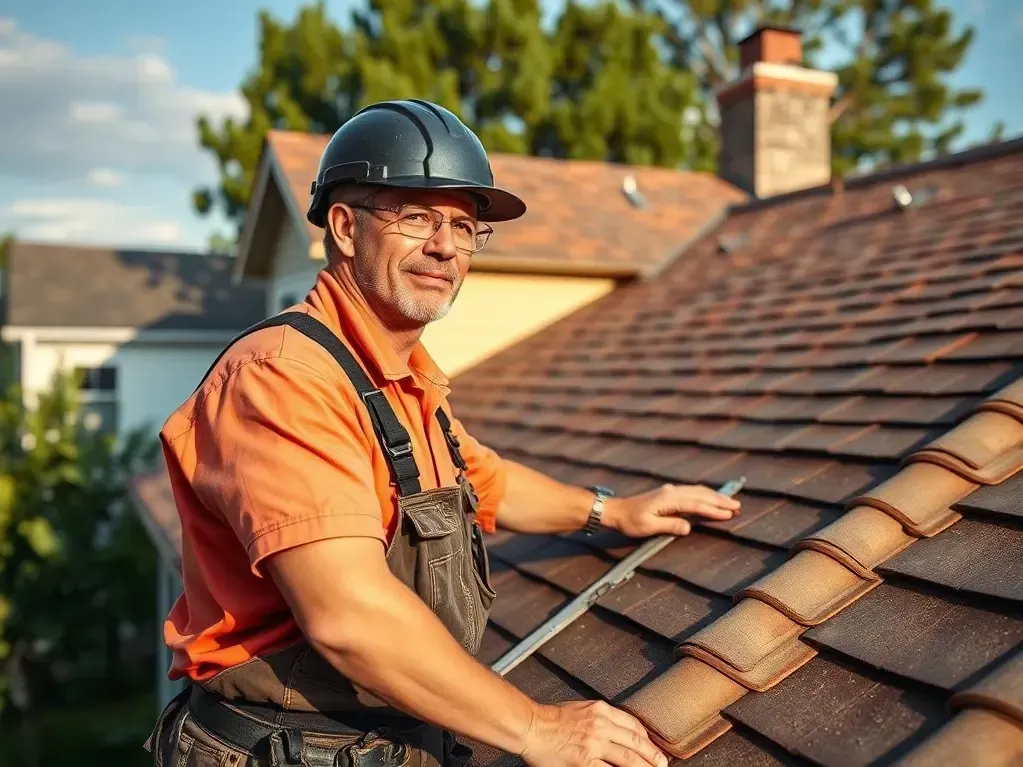
- A roof condition survey before we quote, checking the roof deck, sheathing, and underlayment so you know whether a coating can bond or a repair comes first.
- Pressure washing and scraping to clear debris, flaking tar, and dried mastic that would keep a new coating from sticking.
- A primer pass over bare metal, rust, and old patches so the finish coat has something solid to grip.
- Resealing every seam, valley, step flashing, pipe boot, and counter-flashing with reinforcing fabric and roof cement before the coating goes down.
- Your choice of acrylic coating, silicone coating, or a polyurethane system, matched to roof pitch, ponding water, and foot traffic.
- Application by roller, squeegee, or airless sprayer at the manufacturer's listed coverage rate — two passes, no thinning to save material.
- Small repairs folded in while we are up there: a fresh boot flashing, a bead of sealant at the chimney, a fastener swapped at a loose ridge cap.
- A written roof estimate with line items, plus a walk-through at the end covering cure time and what the surface can handle.
Our Roof Coating Process
How a Roof Coating Job Runs, Start to Finish
- We walk the roof for a roof inspection and roof condition survey, checking the roof deck, skylight curbs, dormer walls, and every seam for moisture before we quote.
- We write a line-item roof estimate that separates repairs from coating, so you can see what local building code requires and what is optional.
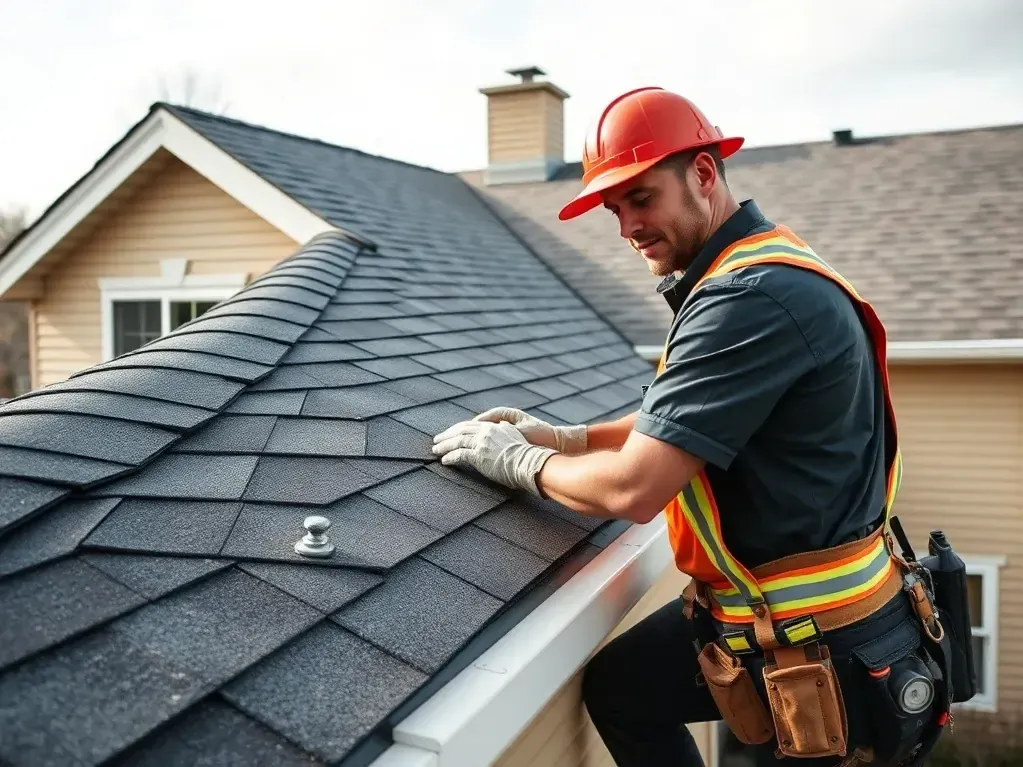
- We stage ladders or scaffold, tie off a safety harness to a roof anchor, and drop a dumpster for the debris. A pry bar and roofing shovel handle any tear-off; a nail gun and air compressor only come out if new decking goes down.
- We pressure wash and scrape flaking tar, then prime bare metal, rust, and old patches so the finish coat has something to grip.
- We reseal with reinforcing fabric and mastic — apron flashing at the eave, step flashing at the rake and verge, counter-flashing at the chimney, and a new boot flashing at every vent boot.
- We apply the coating by roller, squeegee, or airless sprayer at the listed coverage rate, usually two passes, and check dry film thickness between them.
- We finish the trim, replace any overdriven nails, clear the gutters and downspouts, and walk the roof with you once cure time is up.
Design Consultation
On-site evaluation of placement, structural considerations, and integration with existing roof system. Manufacturer specifications reviewed.
Material Specification
Product selection matched to your building and San Jose climate. Manufacturer-certified installer crews assigned.
Certified Install
Flashing, sealing, and termination details installed per manufacturer requirements for warranty validity.
Warranty Registration
Manufacturer warranty registered in your name. Our workmanship backed by 25 warranty. Final documentation delivered.
Signs You Need Roof Coating
Signs You Need Roof Coating, Not Another Patch
- The rooftop surface is chalky or powdery, a classic sign of UV degradation after another dry San Jose summer.
- Hairline cracks run along seams and laps where the old membrane dried out and started to peel.
- Blisters or bubbles push up through the surface, usually trapped moisture working its way out of the substrate.
- Ponding water sits in low spots for two days after a winter storm on a flat or low-slope roof.
- Rust streaks trail down from pipe flashing, vent boots, or a rooftop HVAC curb.
- Algae or moss staining spreads across the north side, and low humidity alone will not stop it.
- Old patches at the valley, parapet, or chimney are already cracking a year after they went in.
- An asphalt, built-up roof, or modified bitumen surface is 10 to 15 years old but still solid underneath.
Roof Coating — Frequently Asked Questions
How much does roof coating cost?
Roof coating pricing depends on square footage, roof condition, and which system you pick. Most quotes come in per roofing square — 100 square feet of roof surface — and a basic acrylic recoat on a sound roof is the cheapest option. Silicone and polyurethane systems cost more because the material runs thicker and needs more prep.
How long does roof coating last?
Roof coating life runs a decade or more for acrylic and longer for silicone on low-slope roofs, assuming the substrate was sound when we started. Ponding water and foot traffic shorten that. We tell you which number applies to your roof instead of quoting a best case.
Which roof types can you coat?
Roof coating works best on flat and low-slope surfaces — modified bitumen, asphalt and bitumen-based built-up roof assemblies, TPO, EPDM, and PVC membrane roofing all take a coat well. Metal panel and standing-seam panel roofs coat nicely once we treat the rust.
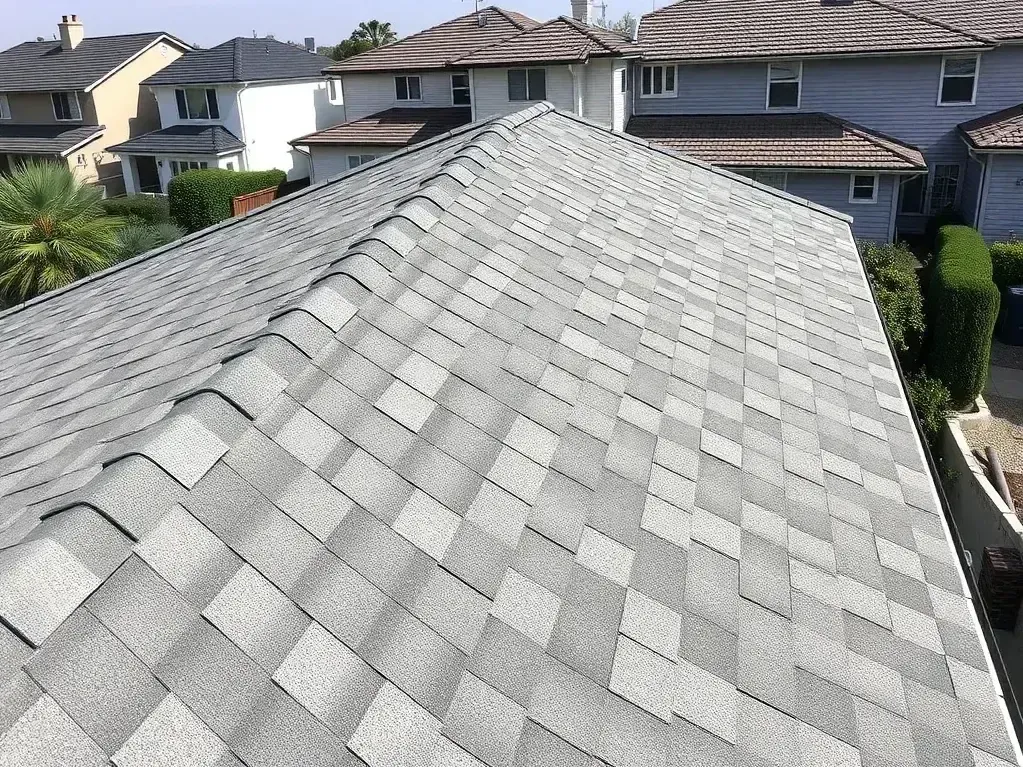
It is not a fix for old felt, tar paper, or a delaminated torch-down surface. And on pitched roofs with asphalt shingle, architectural shingle, three-tab shingle, wood shake, cedar shake, slate, clay tile, or concrete tile, coating is the wrong tool.
What if the roof deck underneath is damaged?
Roof coating only works if the substrate is sound. Before quoting, we check the roof deck, the plywood or OSB sheathing, and the rafters and trusses below for soft spots.
If the sheathing has rotted or a joist has sagged, we repair first. On some older roofs that means new purlins, battens, or counterbattens before anything rolls on. Coating over a failing deck just hides the problem for one season.
Does homeowners insurance cover roof coating?
Roof coating is usually a maintenance item, not a claim, unless a storm created the damage in the first place. If a winter storm tore up your roof, we can help with insurance claim assistance and document the damage for the adjuster. Coating alone rarely qualifies as a covered loss.
Can you coat a roof in winter?
Roof coating needs dry weather and the right temperature to cure properly, and most products want overnight temperatures above a set minimum. San Jose's dry summers are ideal. Winter work is possible between storms, but we watch the forecast closely because rain during cure time ruins the coat. Ice dams are rare this far south, and we still check the eave for ice-and-water shield coverage while we are there.
Don't just take our word for it — hear from our satisfied customers.
The flat roof over our garage in Willow Glen had been ponding for two winters. They ran a roof condition survey, told us the decking was still solid, and rolled on a silicone coating over a primer. No more puddles, and the house is noticeably cooler in July. — Marisol G.
We got three quotes for our 1950s ranch near Almaden Valley. San Jose Roof Repair was the only one who explained why acrylic would not hold up where water pools. They primed first, then sprayed a polyurethane coating. Two years in, the seams are still tight. — Dave R.
Our commercial building near Downtown San Jose had rust streaks everywhere. They repaired the pipe boots, counter-flashed the parapet, and applied a reflective coating at the listed coverage rate. The upstairs units do not bake in the afternoon anymore. — Priya N.
Ready to get started? Call us today at 6504145505 for a free estimate.
Free estimates · Licensed & Insured certified · up to 50-year warranty
Call 6504145505